
Stenocereus marginatus
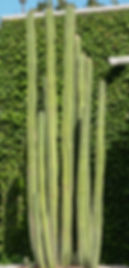
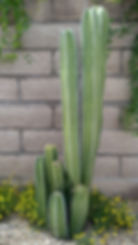
Mexican Fence Post
Where Does Mexican Fencepost Cactus Grow Naturally?
Mexican Fencepost Cactus originates from the arid central Mexican states of Hidalgo, Queretaro, and Guanajuato, where it grows in desert scrubland and rocky hillsides at elevations from 3,000 to 6,000 feet. This plant performs best in USDA zones 9 through 11. Landscape architects working in hot, arid southwestern regions will find this species particularly valuable for its architectural presence and extreme drought tolerance. The plant adapts to rocky, gravelly, or sandy soils with excellent drainage. It cannot tolerate heavy clay soils, poor drainage, or standing water around the root zone.
What Does Mexican Fencepost Cactus Look Like?
This columnar cactus forms tall, upright stems that typically reach 12 to 20 feet tall in landscape settings, though specimens can grow to 25 feet or more over many decades. Mature plants develop multiple stems branching from the base, creating a candelabra-like form with 3 to 8 main columns. Each stem measures 4 to 6 inches in diameter and displays distinct vertical ribs, usually 5 to 7 per stem. The ribs are separated by shallow grooves running the length of each column. The stems are gray-green to blue-green in color. Small, short spines emerge along the rib edges, but they are minimal compared to many other cacti, creating a relatively smooth appearance. White vertical stripes mark the rib edges, giving the plant its distinctive appearance and explaining the species name marginatus.
When Does Mexican Fencepost Cactus Bloom?
Small pinkish-red to reddish-purple flowers appear during spring, typically from March through May. The flowers measure approximately 1 to 1.5 inches long and emerge near the tops of the stems. Blooms open at night and close during the day, adapted for nocturnal pollinator activity. The flowers are followed by small, round, red fruits that mature in summer. Each fruit measures about 1 inch in diameter and contains small black seeds. Flowering typically begins when plants reach 6 to 8 feet tall, which may take 10 to 15 years from seed. The flowers and fruits are not the primary ornamental features but add seasonal interest to mature specimens.
How Fast Does This Plant Grow?
Mexican Fencepost Cactus exhibits slow to moderate growth rates. Young plants typically grow 4 to 8 inches per year under optimal conditions. Plants may take 15 to 25 years to reach 12 to 15 feet tall. Growth rate depends on water availability, temperature, and soil conditions. The slow growth means patience is required, but the result is a long-lived specimen that can survive 100 years or more. This gradual development makes it suitable for landscapes where measured, predictable growth is desired. Container-grown plants establish more quickly than field-grown specimens when transplanted.
What Are the Sunlight Requirements?
This desert cactus needs full sun exposure for optimal growth and health. Plan for at least 6 to 8 hours of direct sunlight daily, though the plant tolerates and even prefers all-day sun. The plant performs poorly in shade, developing weak, etiolated growth and losing its characteristic form. South-facing and west-facing exposures provide ideal conditions. The plant actually requires intense sunlight and high temperatures to maintain its compact, upright form. Insufficient light causes the stems to lean toward the sun and reduces the plant's structural integrity.
How Much Water Does Mexican Fencepost Cactus Need?
Water requirements are minimal after establishment. During the first year, water deeply once every two to three weeks during warm months to encourage root development. After establishment (typically 12 to 18 months), this cactus becomes extremely drought tolerant and can survive on natural rainfall alone in areas receiving 8 to 12 inches annually. For slightly faster growth, provide supplemental water once per month during summer. The plant tolerates long drought periods without damage. Overwatering is the primary cause of failure, leading to root rot and stem collapse. Never water during winter dormancy from November through February. The plant stores water in its thick stems and requires far less irrigation than almost any other landscape plant.
Does This Plant Support Pollinators and Wildlife?
The nocturnal flowers attract night-flying pollinators including moths and bats. In its native range, lesser long-nosed bats are important pollinators. The red fruits provide food for desert birds including cactus wrens, thrashers, and finches. Small mammals including packrats occasionally feed on the fruits. The tall, columnar form provides nesting sites for desert birds, particularly Gila woodpeckers and gilded flickers in Arizona. The minimal spines make it less protective for wildlife than heavily armed cacti, but the structure still offers some shelter. Including this cactus in landscape designs supports desert wildlife and nocturnal pollinator populations.
What Is the Cultural and Traditional Use?
In central Mexico, this cactus has been traditionally planted in rows to create living fences or property boundaries. The practice, called "cercas vivas" (living fences), has been used for centuries in rural communities. The closely spaced columns form an effective barrier while requiring no maintenance once established. The stems were occasionally harvested for construction material or fuel. This traditional use demonstrates indigenous knowledge of sustainable land management. Modern landscape architects can draw inspiration from this practice to create distinctive property screens or boundary markers that honor Mexican cultural heritage while providing functional barriers.
What Is the Cold Tolerance of Mexican Fencepost Cactus?
This cactus tolerates temperatures down to approximately 25 to 28 degrees Fahrenheit for brief periods. Light frost causes minimal damage to the epidermis. Prolonged freezes below 25 degrees cause permanent scarring and damage to stem tissue, leaving brown patches that never heal. Severe freezes below 20 degrees can kill stems or entire plants. In USDA zone 9a areas with occasional hard freezes, plant in protected microclimates near south-facing walls or under building overhangs. Covering young plants during freeze events provides additional protection. In zones 10 and 11, cold damage is rare. The plant cannot tolerate sustained freezing temperatures or snow accumulation.
What Maintenance Does This Plant Require?
Maintenance needs are minimal once established. Remove any dead or damaged stems by cutting at the base with clean, sharp tools. Wear heavy gloves and use caution due to spines. No pruning for shape is necessary as the plant maintains its natural columnar form. Fertilization is not necessary and may actually harm the plant by promoting weak, rapid growth. Watch for root rot in poorly drained locations, which is the primary cause of plant failure. Inspect for scale insects occasionally, though pest problems are rare. The cactus requires less maintenance than virtually any other large landscape plant. Clean up fallen fruits if desired for aesthetic reasons, though they are small and not particularly messy.
How Should Landscape Architects Use This Plant?
Designers incorporate Mexican Fencepost Cactus in multiple landscape applications:
Dramatic focal points: Use single specimens or small groups as sculptural accents in entries, courtyards, or as anchors in xeriscape compositions.
Living fences and screens: Plant in rows on 3 to 4-foot centers to create distinctive property line barriers or screening that honors traditional Mexican practice.
Desert gardens: Combine with barrel cacti, agave, and other succulents to create authentic Chihuahuan Desert plant communities.
Architectural framing: Position near modern desert architecture to emphasize clean lines and vertical elements in building design.
Container specimens: Young plants work in very large containers for patios and commercial spaces, though they eventually need in-ground planting.
Commercial landscapes: Minimal maintenance requirements make this suitable for corporate campuses, resorts, and public spaces in appropriate climates.
Water feature accents: The vertical form creates dramatic contrast with horizontal water elements in desert landscape designs.
Nighttime interest: The nocturnal blooms add unique value to landscapes designed for evening use.
Traffic calming: Strategic placement can direct pedestrian flow without physical barriers in public spaces.
What Spacing and Placement Work Best?
Space plants 4 to 6 feet apart on center for eventual screen or fence effects. For individual specimen placement, allow at least 6 to 8 feet of clearance from structures and walkways to accommodate mature spread of multiple stems. Plant at least 8 to 10 feet from overhead power lines to prevent future conflicts. Keep plantings at least 5 feet from building foundations to allow air circulation and prevent moisture issues. Consider sight line requirements when placing near driveways or intersections, as mature height can obstruct views. In mixed plantings, surround with low-growing groundcovers or leave open gravel areas rather than planting tall shrubs that would compete visually.
What Soil Conditions Does This Plant Prefer?
Mexican Fencepost Cactus requires excellent drainage and performs well in poor soils. The plant tolerates pH ranges from 6.5 to 8.0. Sandy, gravelly, rocky, or decomposed granite soils provide ideal growing conditions. The plant does not need or want amended soil. Do not add compost, organic matter, or fertilizer. In heavy clay soils, this cactus will fail unless planted in significantly raised beds or mounds elevated at least 12 to 18 inches above surrounding grade. Plant on slopes or berms rather than in flat areas where water could accumulate. Avoid planting in low spots or areas that receive runoff from irrigation systems.
What Are the Legal and Safety Considerations?
While this cactus has minimal spines compared to many species, it still requires careful handling during installation. Workers should wear heavy leather gloves and use protective equipment when moving or planting. Place cacti away from high-traffic pedestrian areas, playgrounds, and pool surrounds where people could accidentally contact them. Position at least 4 to 5 feet from walkways in public spaces. Consider liability concerns in commercial installations. Clearly mark plantings during construction to prevent accidental damage by contractors. The plant has no toxic properties but physical injury from spines is possible.
Why Choose Mexican Fencepost Cactus?
Landscape architects and designers select this plant for dramatic vertical architecture, extreme drought tolerance, and authentic desert character in southwestern landscapes. The combination of distinctive columnar form, minimal maintenance requirements, cultural significance, and exceptional longevity makes it a practical solution for multiple design challenges. This species addresses both functional needs like screening and water conservation, and aesthetic goals like sculptural interest and desert authenticity in sustainable arid landscape design. The plant's slow growth and long lifespan make it particularly valuable for permanent installations in commercial developments, resort properties, botanical gardens, and high-end residential estates throughout the Southwest where statement plantings and ultra-low water use are priorities.