
How Can Landscape Architects Support Pollinators in Urban Landscapes?

Pollinator-friendly landscapes do more than attract butterflies. They strengthen urban ecosystems, increase biodiversity, improve ecological resilience, and create healthier communities. As development continues throughout Arizona and the Southwest, landscape architects have an opportunity to design landscapes that provide beauty while supporting the essential ecosystem services pollinators deliver.
By thoughtfully selecting flowering trees, shrubs, and perennials, today's landscape professionals can help reconnect fragmented habitats, support native wildlife, and create landscapes that work harder for both people and nature.

Why Pollinators Matter in the Built Environment
Urban development often fragments natural habitat. Roadways, parking lots, commercial developments, and residential communities can separate the food and nesting resources pollinators depend upon throughout the year.
Landscape architects are uniquely positioned to help reconnect those fragmented spaces.
Well-designed landscapes can become:
● Pollinator corridors
● Urban habitat islands
● Certified butterfly habitats
● Seasonal nectar sources
● Host plant collections
● Stepping stones that connect larger natural ecosystems
Rather than existing as isolated landscapes, these projects become part of a larger ecological network that supports biodiversity across entire communities.

Pollinators Are More Diverse Than Many People Realize
Butterflies often receive the most attention, but they represent only one part of a much larger pollinator community. Southwest landscapes support a remarkable diversity of pollinators, including:
● Native solitary bees
● Bumble bees
● Honey bees
● Butterflies
● Moths
● Hummingbirds
● Nectar-feeding bats
Each plays a unique role in pollination and ecosystem health. In fact, Arizona is recognized as one of North America's richest regions for native bee diversity, making thoughtful plant selection especially valuable in urban landscapes.
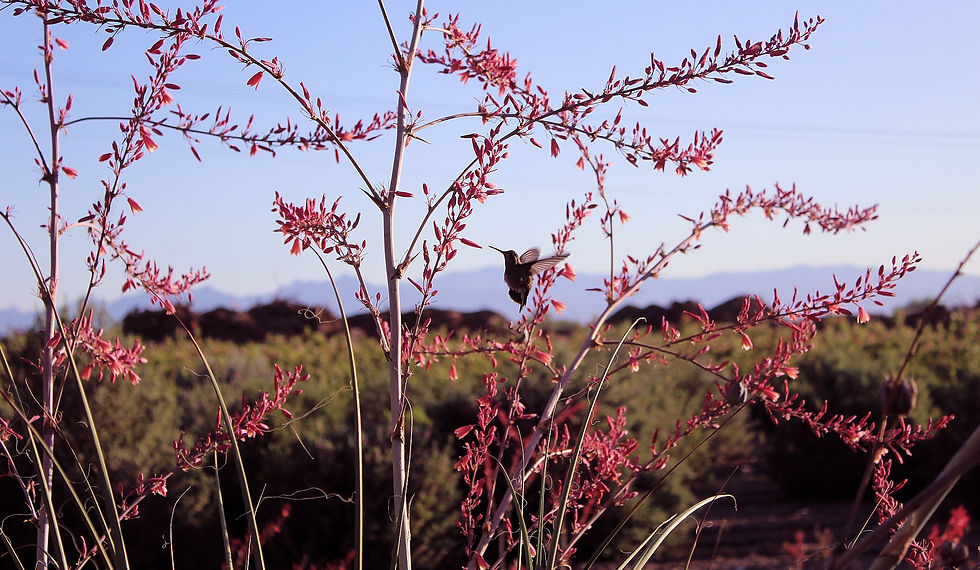
Pollinator Habitat Is an Ecosystem Service
Today's landscapes are expected to do more than provide visual appeal. They also contribute important ecosystem services, the natural benefits healthy landscapes provide to people and communities.
Pollinator-friendly landscapes can help:
● Support biodiversity
● Improve ecological resilience
● Increase habitat connectivity
● Enhance educational opportunities
● Contribute toward sustainability initiatives
● Improve public perception of commercial and civic landscapes
These benefits often complement broader project goals related to environmental stewardship, community wellness, and long-term landscape value.
For municipalities, campuses, healthcare facilities, and commercial developments, investing in pollinator habitat is not simply an environmental decision. It can also strengthen sustainability programs, support certification initiatives, and reduce the long-term costs associated with replacing poorly adapted plantings.
Pollinator Corridors Connect Urban Habitats
One flowering landscape rarely supports pollinators on its own. However, when multiple landscapes throughout a community include pollinator-supporting plants, they begin functioning as connected habitat corridors.
These corridors allow pollinators to move safely between feeding and nesting areas while improving the overall resilience of urban ecosystems. Even relatively small commercial landscapes can become valuable links within these larger habitat networks.
Research suggests that connected urban green spaces play an important role in supporting pollinators where natural habitat has become fragmented.

Nectar Plants and Host Plants Both Matter
Many pollinator gardens focus only on flowers that provide nectar. While nectar is essential, complete habitat design requires more.
Nectar plants feed adult pollinators. Host plants provide places where butterflies and moths lay eggs and where caterpillars develop before becoming adults.
A landscape containing both nectar sources and host plants supports multiple stages of a pollinator's life cycle, making it significantly more valuable than one designed only for seasonal blooms.
Civano Originals That Support Pollinators
Several Civano Originals provide valuable food resources or habitat in Southwest landscapes while maintaining the durability and performance required for commercial projects.
Orange Crush
With vibrant blooms that attract bees, butterflies, and hummingbirds, Orange Crush provides reliable seasonal nectar while adding bold color to water-wise landscapes.
Mexicali Rose
Mexicali Rose offers extended flowering that supports a wide range of pollinators throughout the growing season, helping maintain consistent nectar availability.
Laredo Texas Ranger
Laredo Texas Ranger's abundant blooms provide valuable nectar resources while offering dependable performance in challenging Southwest landscapes.
Butterbloom
As its name suggests, Butterbloom is especially attractive to butterflies and other nectar-feeding insects, making it an excellent choice for pollinator-focused planting designs. Civano Growers Ericameria laricifolia 'Butterbloom' is a low-maintenance, low-water plant that does exceptionally well in the Southwest.
Asclepias (Milkweed)
Milkweed serves a dual purpose by providing nectar for numerous pollinators while also functioning as an essential host plant for monarch butterflies and several other milkweed-dependent insects. Monarch Magnet Asclepias from Civano Growers is the best asclepias for the desert that supports monarchs.
Tecomas
Tecomas produce abundant tubular flowers that attract hummingbirds, native bees, butterflies, and other nectar-feeding pollinators. Their extended bloom period helps provide floral resources during warm-season months when pollinators remain highly active.
Together, these selections demonstrate how carefully chosen plants can support biodiversity while meeting the performance expectations of commercial landscapes.

Designing Landscapes That Work Harder
The most successful landscapes accomplish multiple objectives simultaneously. A thoughtfully designed planting palette can:
● Create seasonal color
● Reduce maintenance
● Improve biodiversity
● Support pollinators
● Enhance community spaces
● Strengthen ecosystem services
Rather than treating pollinator habitat as a separate landscape feature, today's designers increasingly integrate these benefits into the overall project, creating beautiful spaces that continue delivering ecological value for years to come.
FAQ
How can landscape architects support pollinators in urban landscapes?
By incorporating diverse flowering plants, host plants, and season-long nectar sources into commercial and civic landscapes, designers can create connected habitats that support bees, butterflies, hummingbirds, moths, and other pollinators.
What is a pollinator corridor?
A pollinator corridor is a connected series of landscapes that provides food, shelter, and movement pathways for pollinators across developed areas, helping link fragmented habitats.
Why are host plants important?
Host plants allow butterflies and moths to complete their life cycles by providing places to lay eggs and food for developing caterpillars. Without host plants, many butterfly species cannot reproduce successfully.
What pollinators are important in the Southwest?
Important Southwest pollinators include native bees, honey bees, butterflies, moths, hummingbirds, and nectar-feeding bats. Together, these species support healthy ecosystems and contribute to the pollination of both wild and cultivated plants.
Every landscape has the potential to become part of something larger. By selecting plants that provide nectar, support host species, and contribute to connected habitat, landscape architects can design projects that strengthen biodiversity while delivering lasting beauty and performance. At Civano Growers, thoughtfully selected plant genetics help professionals create resilient landscapes that support both people and the ecosystems they depend upon.
Explore the Civano Originals collection to discover landscape plants that combine exceptional performance with meaningful ecological value for the Southwest.


Comments